
Understanding gambling's cultural significance in society today
The Historical Context of Gambling
Gambling has a long and storied history that stretches back thousands of years, transcending cultures and societies. From ancient civilizations that engaged in betting on dice and chariot races to modern-day casinos, the allure of chance has always captivated human interest. In many cultures, gambling has been viewed both as a form of entertainment and a social bonding activity, reinforcing community ties while also introducing elements of risk and reward. This historical backdrop sets the stage for understanding the cultural significance of gambling in contemporary society. For anyone interested in exploring their options, limitlesscasino-nz.org offers a wide array of online gaming opportunities.
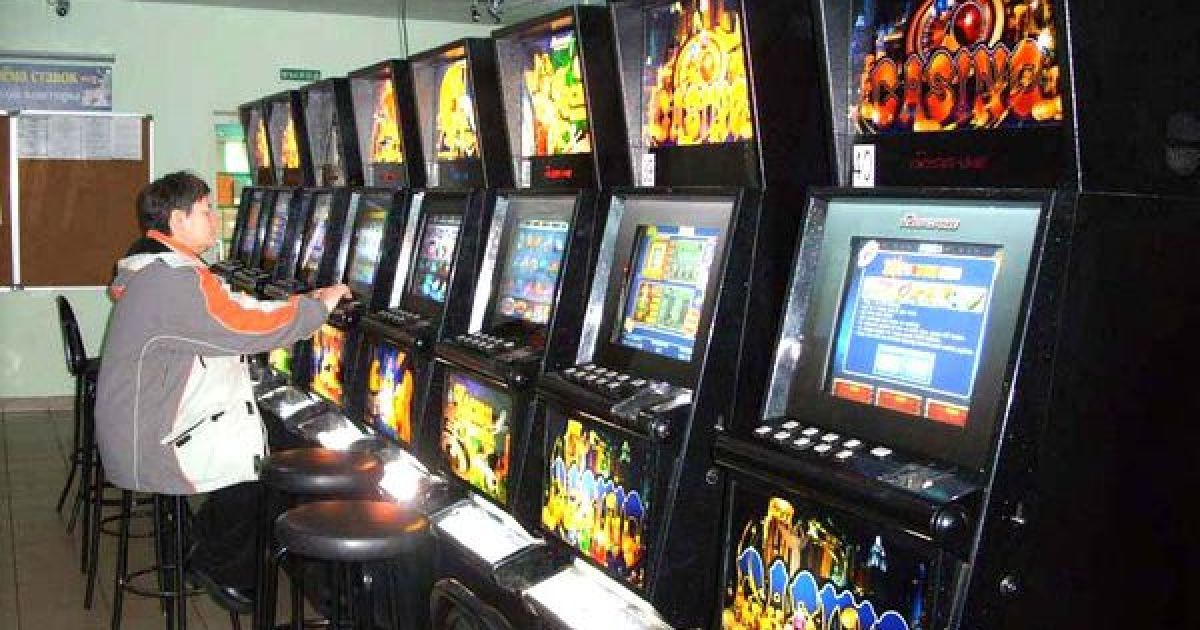
In numerous societies, the evolution of gambling reflects broader social changes. For example, in the 19th century, as industrialization took hold, gaming houses became prominent in urban centers, attracting a diverse crowd from various socio-economic backgrounds. This era marked the transition of gambling from clandestine activity to a more publicly accepted form of entertainment. As gambling became institutionalized, it began to reflect societal values and norms, including notions of luck, fortune, and the human tendency to take risks.
Today, with the advent of online gambling platforms, the landscape has dramatically transformed. Digital technology allows for instant access to gaming experiences, bridging gaps across geographic boundaries. This rapid evolution not only showcases gambling’s adaptability but also highlights its persistent relevance in modern culture. The cultural significance of gambling thus continues to unfold, shaped by both historical context and contemporary innovations.
Gambling as a Social Activity
Gambling often serves as a social activity that fosters interaction and connection among individuals. Whether it’s a friendly poker game at home or a night out at the casino, these activities provide an opportunity for people to come together, share experiences, and build relationships. The communal aspect of gambling can enhance social bonds, creating an environment where friendships are formed and memories are made. This communal experience is a fundamental part of why gambling remains so appealing to many. Furthermore, the importance of responsible gambling practices is essential to maintaining healthy social dynamics.
Moreover, gambling functions as a cultural ritual in various communities. Events like the Super Bowl or the Kentucky Derby attract millions, with many participants placing bets as part of their tradition. Such occasions transform gambling into a shared experience, amplifying its significance as a cultural event. This dynamic fosters a sense of belonging among participants, demonstrating how gambling intertwines with social customs and collective identity.
However, the social aspect of gambling can be double-edged. While it brings people together, it can also lead to problematic behaviors when not managed properly. The fine line between responsible gaming and addiction is a critical discussion point in many communities. Thus, addressing both the positive and negative impacts of gambling on social interactions is essential in understanding its cultural significance today.
The Psychological Appeal of Gambling
The psychological allure of gambling is a key component of its cultural significance. The thrill of risk-taking, the anticipation of a potential win, and the psychological highs associated with winning create a potent mix that attracts many individuals. This excitement can often lead to a form of escapism, where participants momentarily forget their daily lives and immerse themselves in the game. The dopamine rush experienced during gambling activities can be highly addictive, further emphasizing its psychological impact.
Additionally, the concept of luck plays a crucial role in the appeal of gambling. Many people are drawn to the idea that with enough skill or sheer chance, they can change their fortunes. This notion resonates deeply within cultures that value individual agency and success, making gambling an attractive pursuit. The psychological drive for self-improvement and the hope of changing one’s circumstances through gambling contribute significantly to its cultural footprint.
However, the psychological complexities of gambling extend beyond mere enjoyment. Many individuals grapple with issues of self-control and addiction, highlighting the need for awareness and education around responsible gaming practices. Mental health professionals are increasingly focusing on the psychological ramifications of gambling, stressing the importance of understanding both its appeal and its potential dangers within society.
The Economic Impact of Gambling
The economic significance of gambling cannot be overstated. It contributes billions of dollars annually to economies worldwide, creating jobs, generating tax revenue, and stimulating local businesses. In many regions, particularly those reliant on tourism, casinos and gaming establishments serve as major economic engines. The revenue generated from gambling can fund essential services, infrastructure projects, and community development initiatives, highlighting its vital role in contemporary society.
Moreover, as online gambling continues to grow, new economic opportunities are emerging. Digital platforms are revolutionizing the industry, attracting a younger audience and enabling global participation. This shift has prompted discussions about regulation and taxation, as governments seek to harness the financial potential of online gambling while ensuring consumer protection. Understanding the economic implications of gambling is crucial for policymakers and stakeholders in navigating this evolving landscape.
However, the economic benefits of gambling are often accompanied by costs, particularly in communities struggling with addiction and crime. The dual nature of gambling’s economic impact necessitates a comprehensive approach that balances profit generation with social responsibility. As society grapples with these complexities, the cultural significance of gambling continues to evolve, prompting ongoing dialogue about its role in the economy.

The Role of Online Gambling Platforms
The rise of online gambling platforms has transformed how society engages with gaming. Websites that offer a diverse range of games, from slots to live dealer options, have made gambling more accessible than ever. This convenience allows individuals to participate in gaming activities from the comfort of their homes, breaking down geographical barriers and expanding the reach of the gambling community. The increased accessibility also raises important questions about regulation and responsible gaming practices.
Online platforms are not just about convenience; they also offer innovative features that enhance the gaming experience. Many of these websites provide bonuses, promotions, and user-friendly interfaces, catering to both novice and experienced players. The ability to play on mobile devices has further integrated gambling into everyday life, making it a common pastime for many. This evolution reflects broader societal trends toward digitalization and instant gratification.
Importantly, reputable online casinos prioritize safe transactions and responsible gaming, addressing some of the concerns surrounding addiction and financial risk. They often include tools that allow players to set limits on their gambling activities, promoting a healthy gaming environment. As online gambling continues to gain traction, it will be essential to monitor its cultural significance and ensure that it contributes positively to society.

Add comment